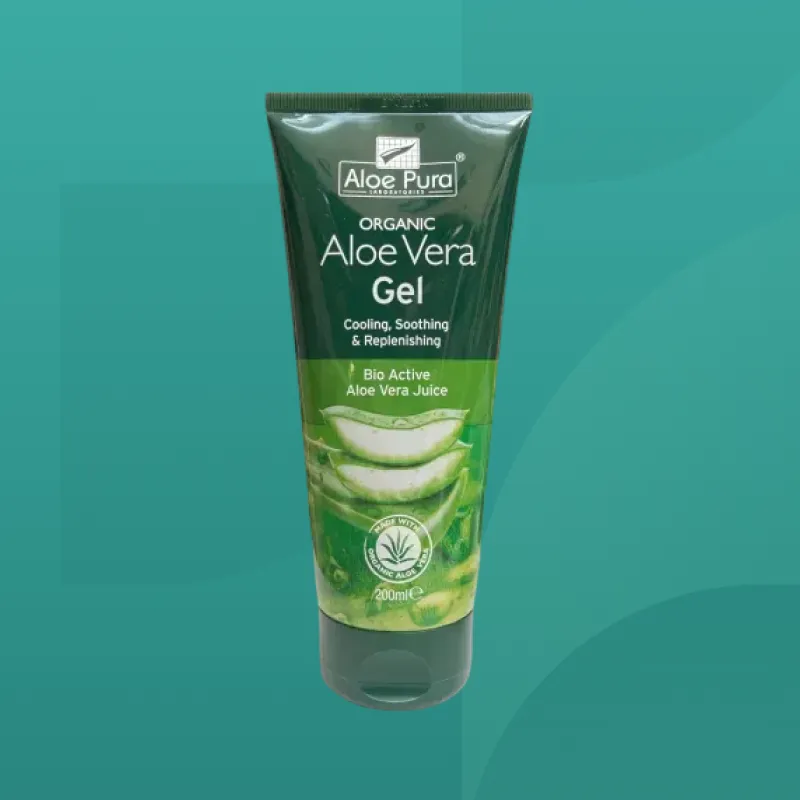
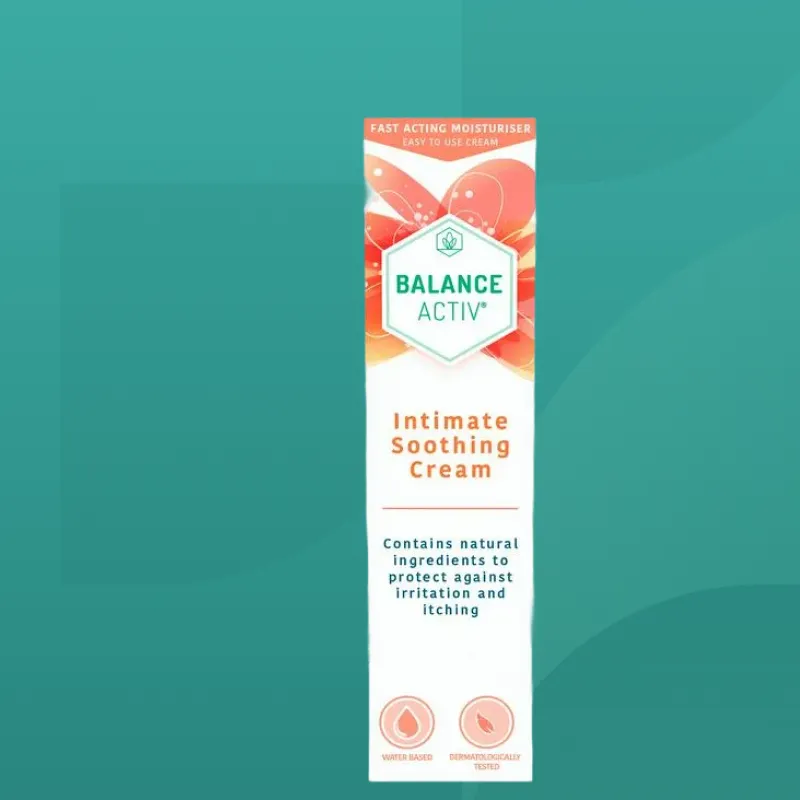
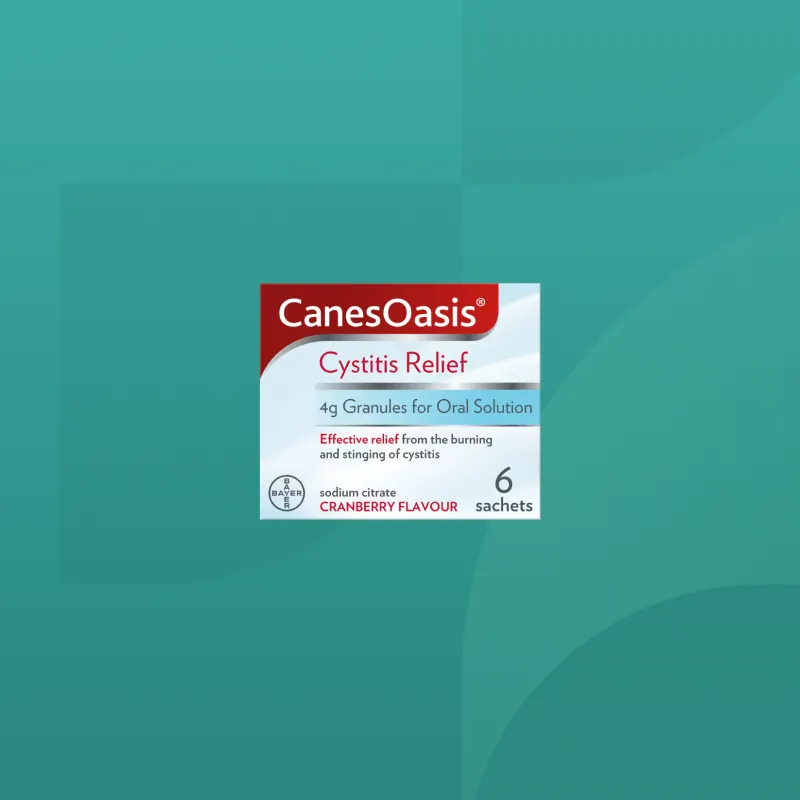
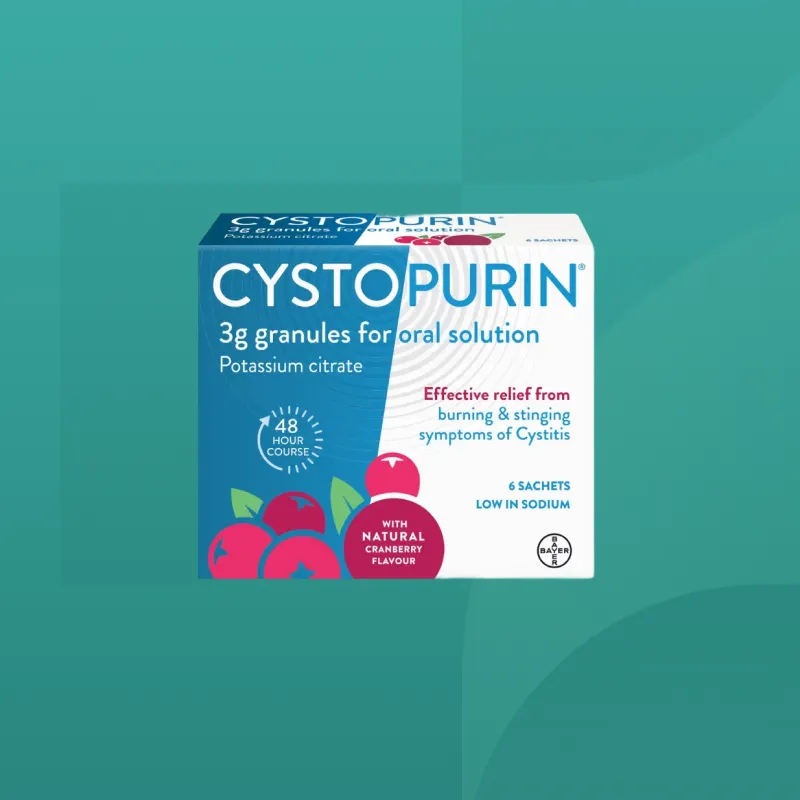
Living with rosacea can feel unpredictable, with redness and flare-ups. We offer thoughtful, expert-led support to help soothe sensitive skin, reduce triggers and care for your skin gently over time.
Rosacea is a long-term skin condition that mainly affects the face. Symptoms may come and go and often worsen during flare-ups.
Common signs include
Persistent redness on the cheeks, nose, forehead or chin
Frequent flushing that may feel warm or uncomfortable
Small red bumps or pus-filled spots that resemble acne
Visible blood vessels on the skin surface
Burning, stinging or sensitive skin
Less common symptoms
Thickened skin, especially around the nose in advanced cases
Eye symptoms such as dryness, redness or irritation
Rosacea can look different from person to person. If redness or flushing does not settle or keeps returning, professional assessment can help confirm the diagnosis.
The exact cause of rosacea is unknown, but it is linked to blood vessel changes, immune responses and genetics.
Common triggers include
Sun exposure and heat
Cold weather or wind
Hot drinks and spicy foods
Alcohol
Stress or intense exercise
Skin and lifestyle triggers
Harsh skincare products
Fragrance or alcohol-based products
Over-exfoliation or frequent scrubbing
Hot baths or saunas
Triggers vary between individuals. Keeping a simple diary of symptoms and exposures can help identify what worsens your rosacea and guide better day-to-day management.
While rosacea cannot be cured, symptoms can be effectively managed with the right care.
Daily skincare support
Use gentle, fragrance-free cleansers
Avoid scrubs, exfoliants and harsh products
Apply moisturiser to protect the skin barrier
Use broad-spectrum sunscreen daily
Medical treatment options
Topical treatments to reduce redness and inflammation
Oral medications for moderate flare-ups
Laser or light therapy for visible blood vessels
Lifestyle management
Avoid known triggers where possible
Use lukewarm water on the face
Keep routines simple and consistent
A healthcare professional can recommend treatment based on symptom type and severity.
Rosacea should be reviewed if symptoms affect comfort, confidence or daily life.
Seek professional advice if you notice
Persistent facial redness lasting week
Frequent or worsening flare-ups
Painful, inflamed or spreading spots
Eye irritation or vision discomfort
Thickening of the skin, especially on the nose
Extra support may be needed if
Over-the-counter products are not helping
Symptoms worsen despite gentle care
Rosacea affects self-esteem or wellbeing
Early treatment can help control symptoms, prevent progression and improve long-term skin comfort.
Treatment Options for Rosacea
Looking for effective rosacea care? Visit Star Pharmacy for dermatologist-recommended treatments designed to calm redness and reduce flare-ups.
The exact cause of rosacea is unknown, but it is linked to blood vessel changes, immune responses and genetics. Triggers such as heat, sun, stress and certain foods can worsen symptoms.
What is the main treatment for rosacea?
There is no cure, but treatment focuses on managing symptoms and preventing flare-ups. This often includes gentle skincare, trigger avoidance and prescription topical or oral treatments when needed.
How did you get rid of rosacea?
Rosacea cannot be permanently cured, but many people control symptoms successfully with the right treatment plan. Consistent care and avoiding personal triggers can greatly reduce flare-ups.
How do I know if I have rosacea?
Common signs include persistent facial redness, flushing and acne-like bumps that do not improve with standard acne treatments. A healthcare professional can confirm the diagnosis.
What are 5 symptoms of rosacea?
Typical symptoms include facial redness, frequent flushing, visible blood vessels, small bumps or spots and skin sensitivity or burning sensations. Eye irritation can also occur in some cases.